
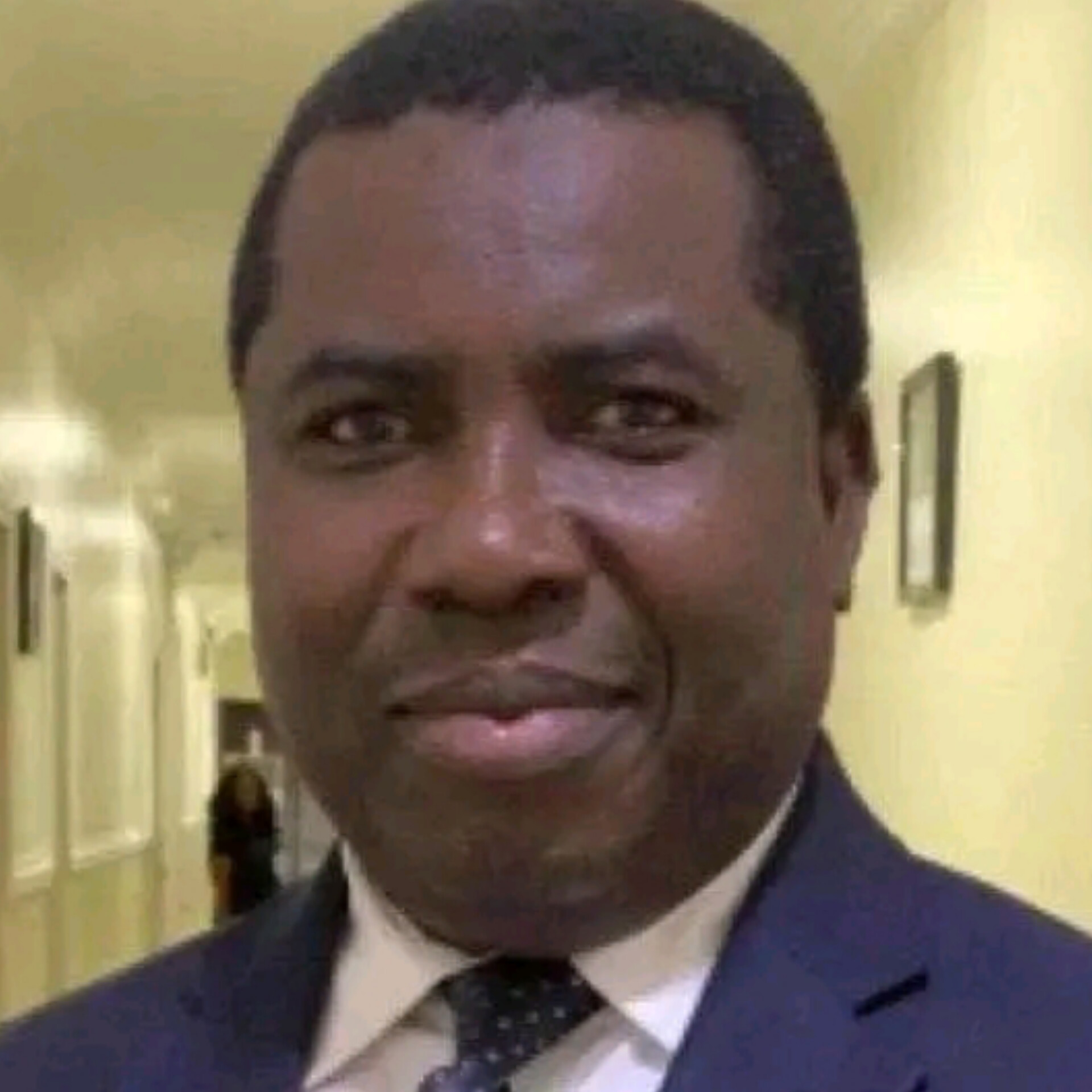
INEC Chairman, Joash Amupitan
By Our Reporter
That the Independent National Electoral Commission (INEC), yesterday released the 2027 election timetable is no longer news.
What is perhaps news is that some Muslims leaders have expressed dissatisfaction with the decision of INEC to fix February 20 and March 6, 2027, for the next general elections, noting that the dates fall within the holy month of Ramadan.
Ramadan is a sacred period in the Islamic calendar marked by fasting from dawn to sunset. In 2027, the fasting is expected to commence in early February and end in March.
Several Muslim stakeholders, who spoke with The Nation on the development, said holding elections during Ramadan could pose challenges for millions of Muslim voters, electoral officials, and security personnel who would be observing the fast.
According to them, the physical demands of fasting during the days and midnights may affect voters turning out for long hours under the sun while queuing to carry out election duties.
The National Missioner of Ansar-Ud-Deen Society of Nigeria, Sheikh AbdurRahman Ahmad, described INEC’s decision as insensitive and disrespectful to the Muslim Ummah.
The revered Islamic scholar called on INEC to move the elections outside Ramadan, stressing that election dates are not sacrosanct, as adjustments have been made in the past.
“As Muslims, we do not complain when elections do not affect our religious activities. However, we must make our feelings known when actions appear to disregard our religious obligations. Millions of Nigerian Muslims are stakeholders in the Nigerian project and should be respected when fixing election dates. Elections are national exercises that should encourage the broadest participation. Fixing the polls during Ramadan may disenfranchise or discourage the active engagement of many Muslims,” he said.
Speaking in the same vein, the National Amir (President) of The Companion — an association of Muslim men in business and professions — Imam Nojeem Jimoh, also called on the electoral commission to reconsider the dates.
According to him, INEC had in the past adjusted election timetables due to prevailing circumstances, including security concerns and logistical challenges, and should, therefore, review the 2027 dates in the interest of inclusivity and national cohesion.
Imam Jimoh noted that similar adjustments were made during the administration of former President Goodluck Jonathan, adding that there would be nothing unusual in doing so again.
To forestall such reactions in the future, the Islamic scholar urged INEC to engage in broader consultations with religious and community leaders before finalising election timetables.
He stressed that sensitivity to religious obligations would strengthen public trust in the electoral process.
“We are major stakeholders in the electioneering process because we assist INEC in mobilising a large percentage of Muslims to perform their civic duties. We should be consulted before decisions that affect millions of Muslims are taken. INEC should have a rethink, the Muslim
community is not asking for too much. Afterall, off-cycle elections are not fixed on Christmas or Easter days. Even elections held on weekends are never scheduled on Sundays out of respect for Christians. Why then should Muslims’ interest be disregarded? Shifting the election dates will not adversely affect INEC. Our complaint is in the national interest,” he said
It would be recalled that the INEC Chairman, Joash Amupitan, stated the release of the timetable and schedule of the election was in line with provisions of the Constitution and the 2022 Electoral Act. He added that the announcement was in line with the provisions of the 1999 Constitution and Section 28(1) of the Electoral Act 2022, which requires the commission to publish notice of elections not later than 360 days before the appointed date.
“This action we are taking today is pursuant to the provisions of the Constitution of Nigeria, and in particular, Section 28, subsection 1 of the Electoral Act, 2022, which mandates the Commission to publish the notice of election not later than 360 days before the date appointed for the election,” he said