Wale Tinubu
By Our Reporter
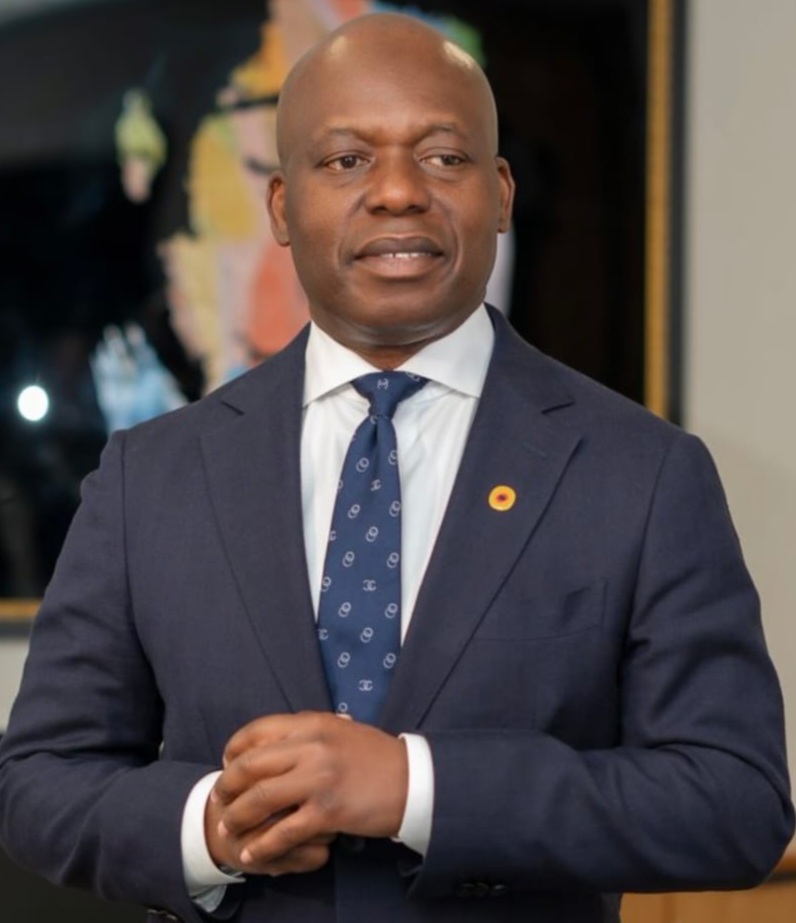
Group Chief Executive Officer of Oando Plc, Wale Tinubu, has called for a fundamental shift in the way Nigeria views its creative economy, arguing that the sector should be treated not merely as a cultural and entertainment asset but as a major export industry capable of generating jobs, foreign exchange and sustainable businesses.
Speaking at the US-Nigeria Council breakfast during the 81st United Nations General Assembly (UNGA 81), Tinubu identified Nigeria’s creative talent as one of the country’s existing but underdeveloped export opportunities.
According to him, Nigeria’s creative economy is currently valued at about $6.4 billion, while its music industry alone generated more than $600 million in 2024.
He further noted that Nigerian Afrobeats had recorded more than 2.2 billion global Spotify streams, underscoring the international demand for Nigerian creative content.
Tinubu said the figures demonstrated that Nigeria’s creative strength was already translating into global economic value, but argued that the country needed stronger investment and commercial structures to capture a greater share of that value.
“We need to think about the creative arts differently: not just as culture and entertainment, but as an export industry,” he said.
He noted that the sector was particularly significant because of its capacity to create employment while earning foreign exchange and supporting a broad ecosystem of businesses, including music, film, fashion, digital content and other creative services.
Tinubu stressed that the next phase of growth should focus on building structures that enable creators to transform their talent into sustainable enterprises.
“The opportunity is to build the investment and commercial structures that enable our creators to retain more of the value they generate, build sustainable enterprises, and allow Nigeria to capture more of the value our talent is already creating globally,” he said.
The Oando chief executive described Nigeria’s creative output as more than a source of cultural influence, arguing that it should increasingly be recognised as an economic asset.
“Our creativity is cultural influence. It is also economic power,” he added.
His comments come amid growing global visibility for Nigerian music, film, fashion and digital content, with Nigerian creators increasingly reaching international audiences and markets.
Tinubu’s intervention therefore places the creative economy within the broader conversation about Nigeria’s export diversification, suggesting that alongside traditional commodities, the country’s intellectual property, cultural products and creative talent could become increasingly important sources of foreign exchange and economic growth.